Dining
Victorian dining and etiquette
English society, a pre-eminently "dinner-giving society"
Meal times were special occasions in the Victorian homes and eating started with making sure that you were properly dressed for the event. While you could dress down slightly for meals at home, any outside dining event that took place after 6.00pm was automatically a formal occasion.
Dress for an occassion
The style of dress for ladies would often depend on their age or engagements after dinner. If a lady is remaining in company with a large party and not going elsewhere afterwards she would simply wear a low-necked gown with short sleeves and gloves. A more elaborate style would be suitable if she intends going to a ball or concert after dinner.
Married women might choose satin or silk while the unattached arrived in muslins or chiffon. The style of dress worn on these occassions is, for gentlemen, strictly that of black dress suit, with an open waistcoat and white neckerchief.
Male guests were each assigned a female guest to escort into the dining room. The host always escorted the highest ranking lady, a newcomer to the area, a new bride, or the wife of a distinguished guest. The hostess was escorted by her husband's business partner or best friend.
The formal Victorian dinning room might be called a banquet hall today. It was usually quite large and lavishly over furnished as was the custom of that time.
There were extensive decorations including massive decorative furniture pieces, stuffed birds in cages, ceramic and china figurines, potted plants and a huge mirror among other items. The center of attention was always the finely set table of abundance in the middle of the room.
Perhaps the term "finely set" is an understatement. You would think it was the goal of the hostess to display every piece of fine china, stemware and silver she owned, so it wasn't uncommon to find 24 piece place settings including up to eight different forks each with their own special purpose. Add to that an additional 8 knives, game shears, 7 pieces of stemware for water, wine, sherry and more, a dinner plate, and a bread plate containing a single piece of bread, and you'd think that there couldn't possibly be room for the food; but they found a place anyway!









An all-you-can-eat buffet
Most formal Victorian banquets were like an all-you-can-eat buffet except you sat down and the endless stream of up to twenty courses were brought to you instead. Ample time was allowed between courses for conversation and digestive processes.
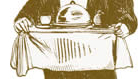
Once the meal was over, the servants brought water-filled finger bowls each containing a slice of lemon. The hostess signaled that it was time for the woman to leave the table by making strong eye contact with the woman seated to the host's right and then standing up. A servant or nearby gentleman opened the door to let the woman retire to the drawing room while the men either remained at the table for more conversation or withdrew to the library to enjoy a fine cigar and a glass of port.


Victorian society dictated that each invited guest, whether they actually attended or not, should call upon the hostess in person within a week after the event to pay their respects. Custom allowed that men who were too busy with business affairs could send their card via their wife or another female relative.
Yes, it all sounds like a bit too much work just to enjoy a good meal, but these were different times when pomp and circumstances still held a special meaning. Who knows? Perhaps we could use a little of that back in our lives today.
Sources L. Jackson, The Victorian Dictionary, 29 Sept 2005, <http://www.victorianlondon.org/>
Source and transcription details
- Source
- Legacy Cook’s Guide website
- Content status
- legacy-editorial
- Review status
- needs-editorial-review
- Legacy file
public/articles/dining-etiquette.html- Legacy revision
8531e8373e9b- Source checksum
54920ca9a894f5f1ae82627c58dd2f2c4fa277aac8b1520a6a07ac6eefe7571a- Legacy text checksum
8ecea16ff68747757a290f7f7e040c90eb35e97de76c8ae0674f6f6a20bc8ff6
Cite this page
Victorian dining and etiquette. Preserved legacy material in The Cook’s Guide digital archive.
https://www.thecooksguide.com/articles/dining-etiquette.html